
 Analysis by Gamescozy
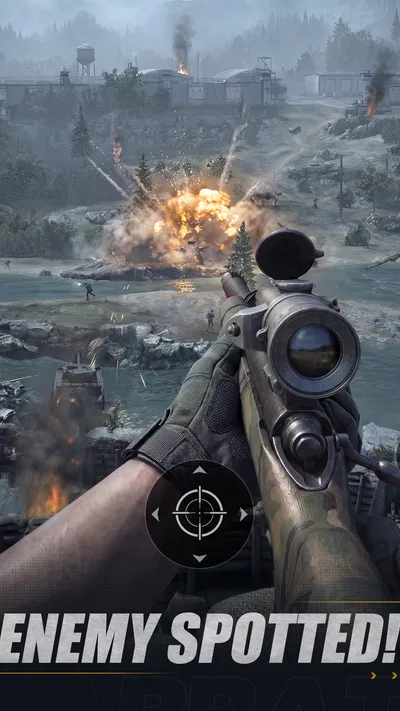
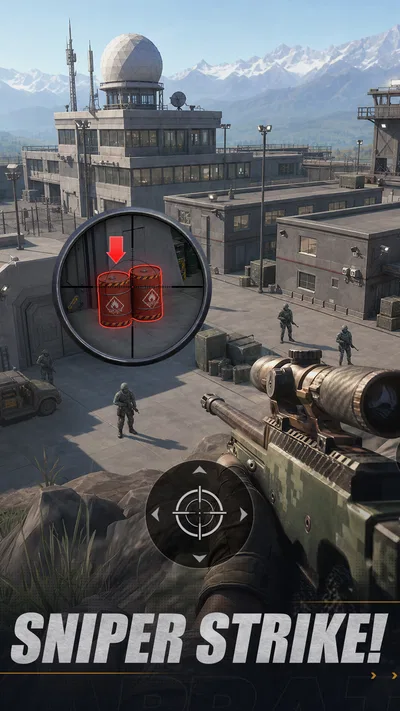
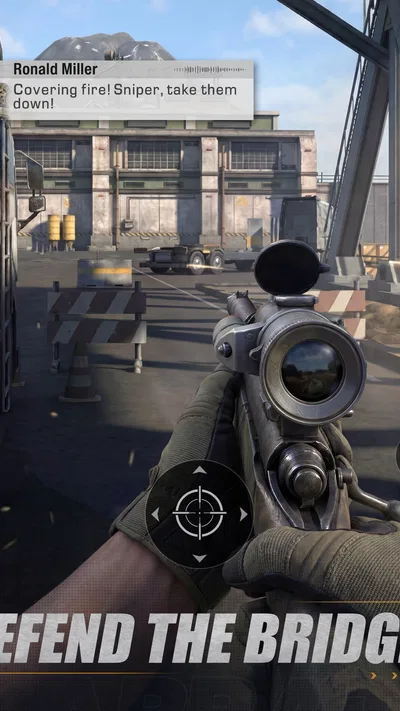
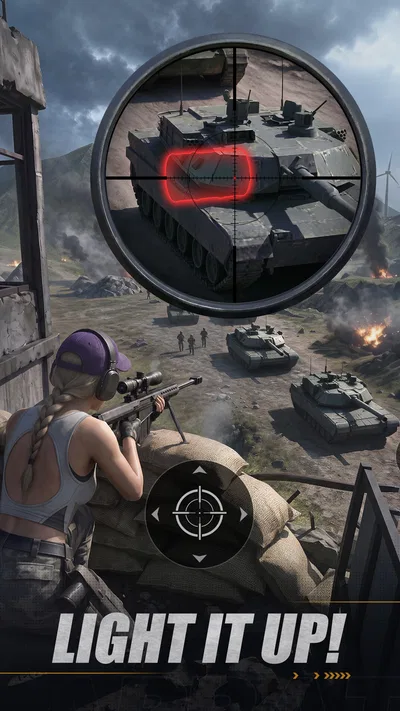
I would approach Warline: Sniper Strike as a strategy game for someone who wants battlefield decisions to feel immediate, not like a long chain of menu planning. Its premise brings tactical shooting and real-time strategy together, which makes it appealing if you enjoy weighing a move while a fight is unfolding. That combination is also the main question to ask before downloading: do you want to think about the wider battle and act under pressure, or would you rather have a slower, more purely strategic experience?
Decide what kind of battle you want
The game is free to download, and Powerfantasy HK Limited lists it for players aged Teen. It has a 4.9 average from around 250,000 ratings, with over five million installs. Those figures suggest broad interest, but they cannot tell you whether its particular blend of action and planning suits your taste. I would treat them as a reason to take a look, not a guarantee that every match will click for you.
In practical terms, the appeal is the tension between aiming at the immediate problem and keeping the larger fight in mind. A conventional shooter tends to make your attention personal and moment-to-moment; a more traditional strategy game often rewards patience and deliberate planning. Warline sits between those expectations. If you like switching mental gears, that can make a session feel lively. If you want either precise shooting without strategic demands or deep planning without action pressure, a specialist game may be a better fit.
It is available at no upfront cost, though optional in-app purchases range from $0.99 to $199.99 per item. That is a wide enough span that I would decide on a spending limit before playing, rather than treating the free download as a promise that every route through the game will feel equally comfortable without purchases. If you prefer games with a clear one-time price and no purchase prompts, this model may be a drawback.
What the mixed genre asks of you
The useful way to evaluate the tactical-shooter-and-RTS pairing is to notice what you want your attention to do. When a game asks you to react and plan at once, small choices can matter more than simply moving quickly. I would begin by playing with the goal of understanding the rhythm rather than chasing a perfect performance: identify what needs attention first, then see whether the game gives you enough breathing room to consider the next step.
One practical habit is to pause mentally between encounters, even if the game itself keeps moving. Ask yourself what caused a setback: a rushed action, a poor priority, or a decision made without considering the broader situation. That makes each attempt more informative and helps distinguish a learning curve from a genuinely frustrating fit. It is a better test than judging the game by a single hectic opening session.
Where Warline has the stronger case
The strongest case for Warline: Sniper Strike is its hybrid identity. Players who have grown tired of games that separate aiming from planning may enjoy having both kinds of decisions in the same experience. It also suits shorter pockets of attention better than a strategy game that asks you to settle in for a long, uninterrupted planning session, provided you enjoy action that keeps your focus active.
A realistic use case is a short break when you have enough time to focus but not enough to commit to an extended campaign. You could play a session, notice which decisions felt rushed, and stop without needing to turn the game into a nightly project. I would avoid opening it when you are distracted or trying to fill a few seconds: a game built around tactical choices is more satisfying when you can give it your attention.
Another non-obvious advantage of the genre mix is that it gives you two ways to assess your own play. If you are losing momentum, consider whether the problem is execution or prioritization instead of assuming you simply need faster reactions. That distinction is useful for deciding what to improve next. It also makes the game more interesting for friends who enjoy comparing approaches, even if one person is drawn to the shooting and another enjoys the strategic side.
The player base is substantial, but popularity should not be confused with a promise that every part of the experience will suit a newcomer. The store shows around 1,200 written reviews, a much smaller number than its ratings total; I would read individual comments for recurring themes rather than expecting a large pile of detailed guidance. In your own first sessions, pay attention to whether you are learning from mistakes or merely repeating them. That is a more personal and useful measure of whether the game is working for you.
When another kind of game may suit you better
If your favorite strategy games are slow, expansive, and built around carefully considering each move, the action-oriented side here may feel like a distraction. A turn-based strategy game is usually the safer choice when you want to think without time pressure. Likewise, if you mainly want a straightforward shooter, a game focused on aiming and movement may give you a cleaner experience without asking you to keep a broader tactical picture in mind.
There is also a trade-off for people who dislike mixed controls or shifting priorities. Combining shooting and real-time strategy sounds attractive, but a blend can feel less focused than either genre on its own. Give it a fair trial, but do not force yourself to enjoy the combination just because it is unusual. If you repeatedly find yourself wishing the game would stop asking you to divide your attention, that is a clear sign to choose a more specialized alternative.
Players who keep spending tightly should think about the purchase range before they become invested. You can start without paying, but the presence of items priced as high as $199.99 may make the store feel uncomfortable if you prefer not to see high-cost options in a game. I would set a personal rule early: enjoy the free experience first, and only consider a purchase if you can name exactly what it adds to your own enjoyment. That avoids making a payment simply because a difficult moment has made it tempting.
Starting with a useful test, not a spending decision
Because the game is free, the lowest-risk way to decide is to treat the first sessions as an evaluation. Notice whether you can understand what deserves your attention, whether the mix of action and strategy keeps you engaged, and whether you feel curious to try a different approach after a setback. Those are better indicators of long-term fit than a quick impression of its visuals or the popularity figures.
If a session feels confusing, resist the urge to spend immediately in the hope of smoothing out the experience. First work out whether the issue is unfamiliarity with the game’s pace or a genuine mismatch with its style. A purchase cannot make a player who wants calm, turn-based planning enjoy pressure; similarly, a person seeking a pure shooter may not find a strategic layer more satisfying just because it is present.
For households, the Teen content rating is a useful starting point when deciding whether the game is appropriate, but I would still make that choice with the player’s preferences and comfort in mind. The label does not tell you whether the pace, competition, or optional spending model will feel right for a particular person. If someone is new to this kind of hybrid game, letting them try it while setting expectations about purchases is a sensible approach.
The current version is 1.3.01, and the minimum Android requirement is version 6.0. If you are deciding whether an older Android device can run it, check the device’s software version before downloading. That quick check is more helpful than assuming every phone that can install other games will meet this requirement.
The cost of changing your mind
Trying a new strategy game has a time cost as well as a financial one. With Warline, the main question is whether you want to learn its combined rhythm. Give yourself enough sessions to see whether choices start making sense, but set a practical stopping point: if the action still feels like an interruption to the planning, or the planning keeps getting in the way of the action, switch to a game that commits to the part you enjoy.
I would also separate experimentation from investment. First learn whether the core mix keeps you interested; only then decide whether optional spending has a place in your play. This approach is especially useful for a free-to-download game with such a broad purchase range. It lets you compare the experience with a pure shooter or a slower strategy title without letting an early purchase influence your judgment.
My recommendation
I would recommend Warline to players who are genuinely curious about combining tactical shooting with real-time strategic decisions, and who enjoy learning by adjusting their priorities from one encounter to the next. Its free entry point makes it straightforward to try, while its sizable audience indicates that many players have taken an interest. The best reason to stay, though, is personal: the hybrid format should make you want to think and react, not leave you wishing the game were a different genre.
I would skip it if you want a relaxed, turn-based pace, a focused shooter with no wider tactical demands, or a spending model that avoids optional purchases altogether. For everyone else, I think a careful trial is worthwhile. Start without paying, give the mixed gameplay a fair chance, and judge it by whether the decisions feel engaging rather than merely busy. If they do, this strategy game could be a satisfying change from more predictable genre alternatives; if they do not, choosing a game with a clearer focus is the better call.